
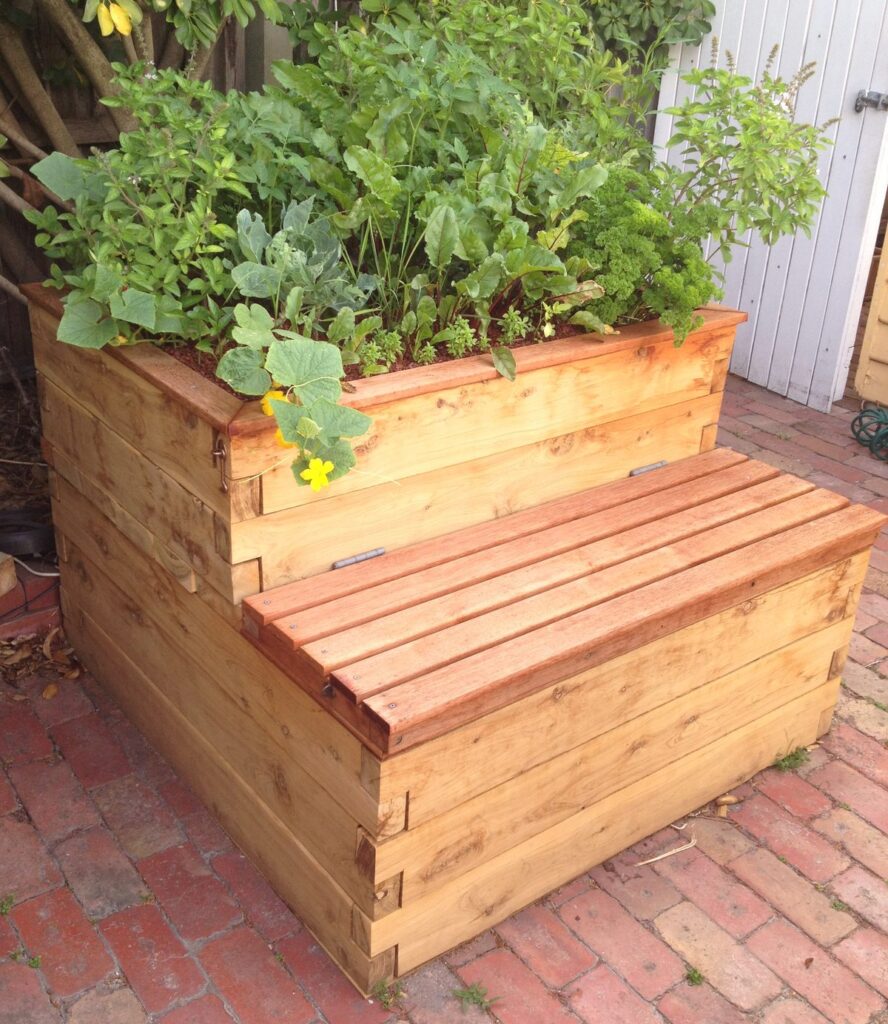
Strawberries and aquaponics are an outstanding combination — the consistent moisture, nutrient-rich water, and excellent drainage of a well-designed system produces strawberries that are sweeter, more abundant, and longer-season than most soil-grown crops. Here’s everything you need to know to grow strawberries successfully in your aquaponics setup.
Are Strawberries Well-Suited to Aquaponics?
Strawberries thrive in aquaponics for several reasons. They prefer slightly acidic, well-drained conditions with consistent moisture — a media bed or NFT system delivers all three naturally. The elevated grow bed position typical in aquaponics also means fruit hangs clear of the media surface, reducing rot and pest issues. Commercial aquaponics strawberry operations in Australia regularly outperform conventional growing in yield and flavour quality.
What Aquaponics System Type Is Best for Strawberries?
Media Bed — The Most Versatile Option
Media beds (flood and drain) work excellently for strawberries. The expanded clay or gravel media provides good root support and drainage, and strawberry runners can trail over the bed edges attractively. Plant into the media in the same way you’d plant into soil — at 20–25 cm spacing to allow for runner development.
NFT Channels — Commercial Quality Results
Nutrient film technique channels are widely used for commercial aquaponics strawberry production. Plants are placed in net pots in the channel lids, with roots in the nutrient film below. This produces excellent results for experienced growers and allows very high plant density in a given space.
Vertical Tower Systems
Strawberry towers (vertical columns with planting pockets) are visually striking in aquaponics. Plants receive water from above and excess drains down through the system. This is a space-efficient approach for small gardens but requires careful water distribution management to ensure all plants receive adequate flow.
What pH and Water Chemistry Do Strawberries Prefer?
Strawberries prefer slightly acidic conditions — ideally pH 5.8–6.5 — which is at the lower end of the aquaponics sweet spot (6.8–7.2). In practice, aquaponics strawberries perform well at pH 6.5–7.0. If your pH runs higher, strawberries may show iron and manganese deficiency more readily than other crops. Supplement with chelated iron if yellowing of newer leaves occurs.
Which Strawberry Varieties Grow Best in Aquaponics in Australia?
Everbearing and day-neutral varieties are ideal for aquaponics because they produce fruit continuously rather than in a single spring flush:
- Albion — excellent flavour, vigorous growth, good disease resistance
- Seascape — popular commercial variety, sweet flavour, reliable production
- Festival — widely grown in Australian conditions, strong performer
- Camarosa — high-yielding, excellent for warmer Australian climates
Avoid strictly seasonal June-bearing varieties for aquaponics — everbearing types provide continuous yield that better suits the ongoing nature of aquaponics production.
How Do You Plant and Maintain Strawberries in Aquaponics?
Planting
Use established runners or purchased crowns. Plant with the crown (the central growing point) at or just above the media surface — burying the crown causes rot; planting too high leaves roots exposed. Space plants 20–30 cm apart in media beds, or one plant per net pot in NFT systems.
Managing Runners
Strawberries produce runners (long stems with new plantlets) continuously. In aquaponics, you can either train runners to root into available media spaces (free plants!), cut them off to direct more energy into fruit production, or pot them up as new transplants.
Pollination
In outdoor systems, natural pollinators handle this perfectly. For indoor or greenhouse systems, hand pollinate by gently transferring pollen between flowers with a small brush, or run a small fan to create air movement that assists natural pollen transfer.
What Nutrients Do Aquaponics Strawberries Need?
Strawberries are particularly sensitive to potassium and calcium deficiencies. Potassium deficiency causes brown leaf margins; calcium deficiency causes tip burn and blossom end rot. Supplement with potassium hydroxide (which also manages pH) and calcium hydroxide as needed based on leaf symptom observation.
Harvesting and Maximising Strawberry Yields
Strawberries are ready to harvest when they are fully red and slightly soft to the touch. Pick them in the morning when temperatures are cooler, as this helps the fruit stay firm and fresh longer. Regular harvesting encourages the plant to keep producing new flowers and fruit.
To maximise yields over a longer season, remove runners unless you want to propagate new plants. Runners divert energy away from fruit production. If you do want new plants, allow one or two runners to root and then trim the rest.
In aquaponics, strawberries benefit from consistent nutrient delivery, but they can be sensitive to high nitrogen levels, which encourages leaf growth at the expense of fruit. If your plants are lush and green but producing few berries, consider whether your fish stocking density might be creating an excess of nitrogen in the system.
Frequently Asked Questions
How long do strawberries take to fruit in aquaponics?
Established crowns typically begin fruiting within 4–8 weeks of planting in good conditions. Plants grown from runners may take slightly longer to develop fruiting capacity.
Do aquaponics strawberries taste better than soil-grown?
Many growers report sweeter, more intensely flavoured fruit from aquaponics systems. This may be due to more consistent nutrition, excellent drainage, and reduced stress. Results vary by variety and system management.
Can I grow strawberries in aquaponics year-round in Australia?
In most Australian climates, strawberries grow best in autumn through spring. In tropical and subtropical Queensland, year-round production is possible. In cooler southern states, a greenhouse extends the season significantly.
Why are my aquaponics strawberries getting rot on the fruit?
Fruit rot is often caused by poor air circulation or fruit resting on wet media. Ensure grow beds have adequate drainage, space plants for airflow, and position so fruit hangs clear of media surfaces. Trim dead leaves promptly.
How many strawberry plants can I grow per fish tank litre in aquaponics?
As a rough guide, a 500-litre fish tank with a healthy fish load can support 20–40 strawberry plants in a well-managed system. Adjust based on your observed nutrient levels and plant response.
Want to grow sweet, abundant strawberries in your own aquaponics system? Get the complete aquaponics build guide here and start growing today.
Jonathan, thanks tor video. I will start to grow the zucchini outside of my green house. I am going to set up an outside aquaponic system as well as the indoor.
My system is back to normal with fish and plants doing well.
Thanks again
Thanks Paul, great to read! I look forward to hearing you in the private club 🙂
Zucchini are great to grow and they will go well in your systems next year.
Cheers