
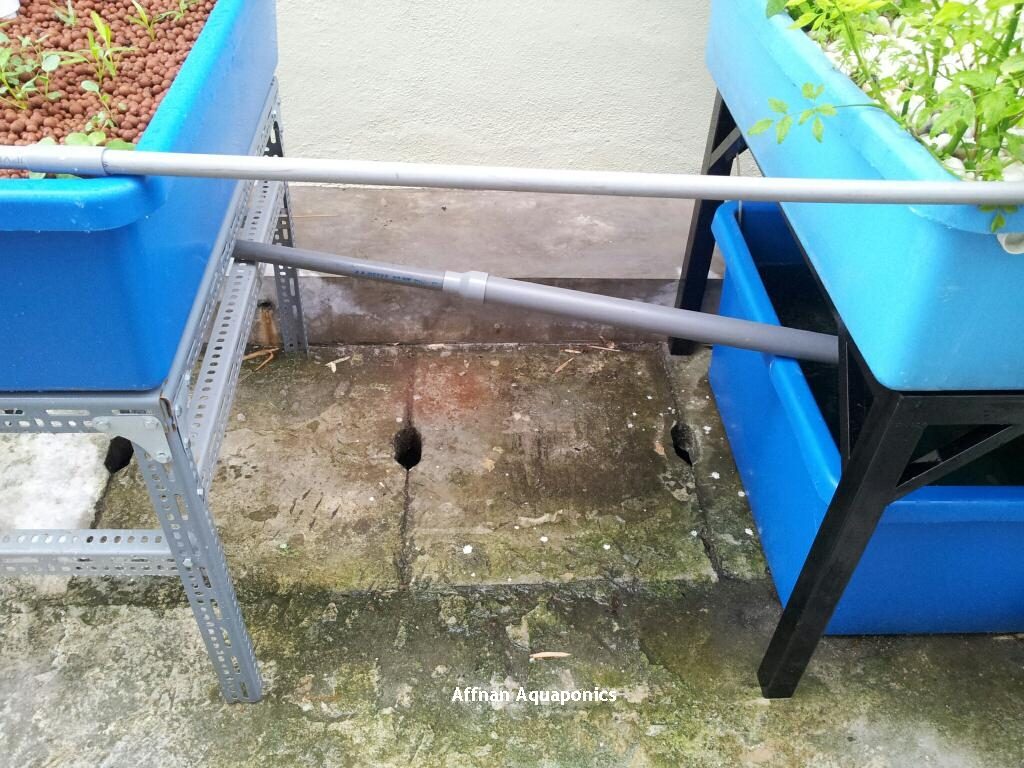
The materials you choose for your aquaponics system determine how long it lasts, how safe your food is, and how much time you spend on repairs rather than growing. With so many options on the market — from budget IBC tanks to custom fibreglass, from cheap pond liner to heavy-duty HDPE — knowing how to evaluate quality and value is an essential skill for every aquaponics builder.
Why Do Material Choices Matter So Much in Aquaponics?
Aquaponics systems operate continuously — water flows 24 hours a day, 7 days a year. Materials are under constant stress from water pressure, UV exposure, temperature fluctuations, and biological fouling. A poorly chosen component that fails at 3 AM can mean dead fish and crashed water chemistry by morning. Beyond reliability, the wrong materials can leach chemicals into your food-growing water, compromising food safety and fish health.
How Do You Evaluate Fish Tank Material Quality?
IBC Tanks (Intermediate Bulk Containers)
IBC tanks are the most popular choice for backyard aquaponics and for good reason — they’re food-grade HDPE, structurally strong, readily available secondhand, and reasonably priced. When selecting IBC tanks, always verify their previous contents (food-grade only — no chemicals, solvents, or pesticides), check the cage frame for rust and structural integrity, and inspect the HDPE liner for cracks or UV degradation.
Quality indicators: No discolouration or brittleness in the liner, intact cage welding, legible UN certification markings on the tank base.
Fibreglass Tanks
Commercial aquaponics operations often use custom fibreglass (GRP) tanks for larger volumes. High-quality fibreglass is inert, durable, and easily repaired. Look for tanks with a smooth, fully cured interior surface (no tacky feel or strong styrene smell) and appropriate wall thickness for the volume.
Polyethylene Round Tanks
Purpose-built polyethylene aquaculture tanks are excellent for grow-out systems. They’re UV-stabilised, food-safe, and available in a wide range of sizes. More expensive than IBC tanks but offer better shape options and guaranteed food-safety compliance.
What Should You Look for in Grow Bed Materials?
Structural Integrity Under Load
Grow beds filled with media are very heavy — 300 kg or more for a standard IBC grow bed. The bed and its supporting frame must be rated for this continuous load. Check that any timber framing is using structural-grade timber, properly joined, and treated against moisture. Metal frames should be galvanised or powder-coated — but ensure no galvanised surfaces are in direct water contact (zinc toxicity risk).
Material Safety for Food Contact
All surfaces in contact with system water or food crops must be food-safe. This means food-grade plastic, approved pond liner (EPDM or food-grade HDPE liner), or thoroughly cured fibreglass. Never use timber in direct water contact without a food-safe liner — it leaches tannins and eventually rots.
How Do You Choose Quality Growing Media?
The best growing media for aquaponics media beds are:
- Expanded clay pebbles (LECA) — lightweight, pH neutral, excellent surface area for bacteria, reusable. The premium choice for grow beds.
- River gravel — inexpensive and widely available. Test for carbonate content (a splash of vinegar should not fizz) — carbonate gravel will constantly raise your pH.
- Scoria (volcanic rock) — good surface area, lightweight, widely available in Australia. Check it’s not limestone-based.
Avoid decorative coloured gravels (may have coatings), sharp angular gravels (damage roots and make harvesting difficult), and fine media below 10 mm (clogs easily).
What Makes Quality Aquaponics Plumbing?
Use pressure-rated PVC pipe (Class 12 or Class 18 for mains-connected sections, Class 6 for gravity-fed runs) rated for potable water. Solvent-weld fittings are more reliable than rubber ring joints for aquaponics. Use EPDM rubber seals in bulkhead fittings — they’re more water-resistant and longer-lasting than standard rubber. Invest in good quality ball valves (full-bore, not cheap thin-ported valves) for easier flow management.
Where to Source Quality Materials
Finding reliable suppliers for aquaponics materials can take some research, but it is worth the effort. For tanks and plumbing, look for suppliers that serve the aquaculture or irrigation industries rather than general hardware stores. They are more likely to stock food-grade products designed for long-term water contact.
Grow media such as expanded clay pebbles or volcanic rock should be purchased from horticultural suppliers who can confirm the pH stability and cleanliness of their product. Cheap alternatives may leach minerals or contain dust that clogs your system.
Online aquaponics communities are a valuable resource for supplier recommendations. Other growers in your region can tell you which brands and products have worked well for them and which to avoid. This kind of real-world feedback is often more useful than manufacturer specifications alone.
Frequently Asked Questions
How do I check if an IBC tank is truly food-grade?
Check the UN certification marking on the base — food-grade IBC tanks typically bear markings like “UN31HA1/Y” or similar indicating approved contents. Contact the supplier or previous owner to confirm the contents history. When in doubt, don’t use it.
Is secondhand aquaponics equipment safe to buy?
Often yes, but always verify material safety (previous contents, no chemical contamination) and check for structural wear, UV degradation, and seal integrity. Clean and inspect thoroughly before use.
How long does expanded clay media last in aquaponics?
Quality LECA (expanded clay) can last indefinitely with proper care. Rinse it between system resets to remove biofilm buildup. It does not degrade chemically or structurally under normal aquaponics conditions.
What type of pond liner is best for aquaponics?
EPDM (ethylene propylene diene monomer) rubber liner rated for potable water or fish ponds is the recommended choice. It’s flexible, durable, UV-resistant, and chemically inert. Avoid cheap PVC liners that may contain plasticisers.
Should I buy the cheapest pump available for aquaponics?
The pump runs 24/7 and is the most critical single component in your system. Budget pumps typically last 12–18 months under continuous operation. Quality pumps rated for continuous aquaculture use last 3–5+ years. The higher initial cost of a quality pump is almost always worth it over the system’s lifetime.
Want a complete materials guide to build your aquaponics system right the first time? Get the step-by-step build guide here and start with confidence.