
Adding a worm farm to your aquaponics system — a practice known as aquaponics vermiculture or “aquavermi” — is one of the most impactful upgrades you can make to a mature system. Worms process solid fish waste into highly bioavailable nutrients, reduce organic load in your system water, and produce worm castings that enrich both your grow beds and your fish diet. Here’s how to integrate them effectively.
Why Add Worms to an Aquaponics System?
In a standard aquaponics system, solid fish waste (uneaten feed, faeces) accumulates in media beds and settles in the fish tank. This organic matter must be managed — if left to accumulate, it decomposes anaerobically and can cause ammonia spikes, hydrogen sulphide production, and poor plant root health. Worms solve this problem elegantly: they consume the organic solids, mineralise the nutrients into plant-available forms, and improve the physical structure of the grow bed media.
How Do Worms Benefit an Aquaponics System?
Organic Waste Processing
Red wriggler worms (Eisenia fetida) are voracious consumers of organic matter. Introduced into a media bed, they consume fish waste solids, decomposing plant material, and biofilm — keeping the bed clean and preventing anaerobic dead zones. A healthy worm population in a media bed can process the organic load from a well-stocked fish tank almost entirely without any additional intervention.
Nutrient Mineralisation
Worm castings are among the most nutrient-rich organic matter available for plant growth. As worms process fish waste, they convert complex organic compounds into water-soluble, immediately plant-available minerals — enhancing the nutrient profile of your system water. Plants in aquaponics beds with active worm populations consistently show improved growth and fewer deficiency symptoms compared to worm-free beds.
Worm Protein as Fish Feed Supplement
Worms are a natural component of fish diets — and your aquaponics fish will eat them enthusiastically. Harvesting surplus worms from your vermicompost bed and feeding them live to your fish provides an excellent protein supplement that reduces commercial feed costs and is highly palatable to virtually all aquaponics fish species.
How Do You Introduce Worms to a Media Bed?
The Right Environment
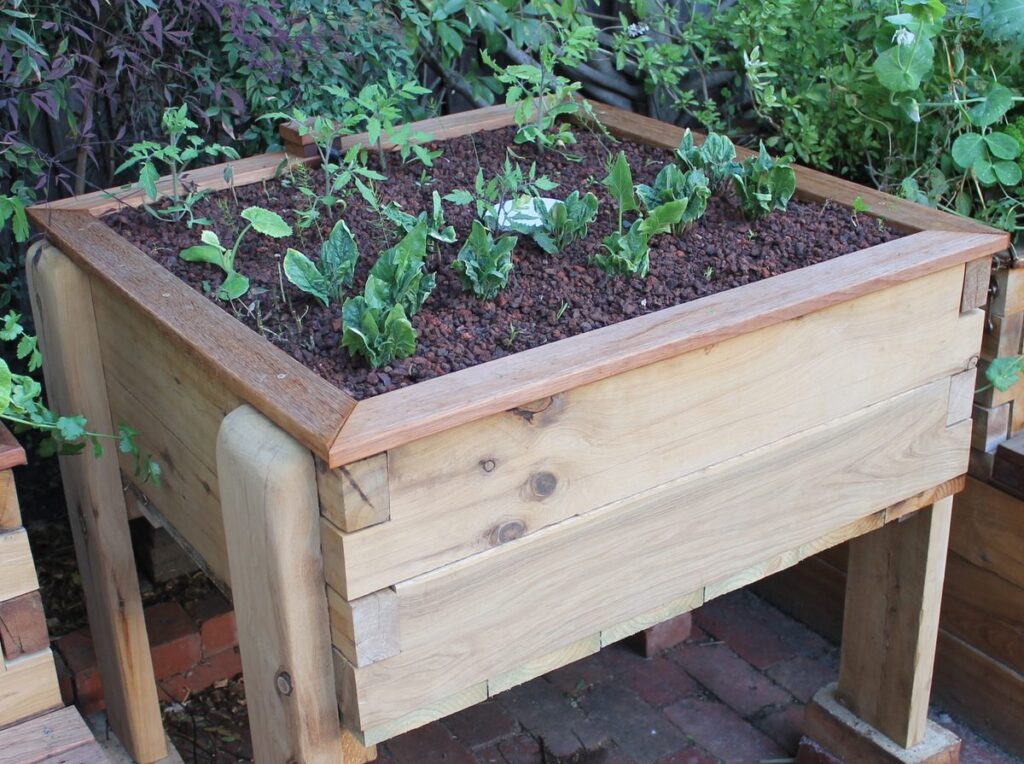
Worms need moisture, darkness, and organic matter to thrive. A mature aquaponics media bed — with established biofilm, moisture from flood and drain cycles, and accumulated organic matter — is actually ideal worm habitat. The main risk is flooding: worms require moist conditions but will drown in fully saturated media. Ensure your flood and drain cycle has a full drain phase that allows the media to drain between flood cycles.
Introducing the Worms
Purchase red wriggler (composting) worms from a worm farm or garden centre. Introduce 100–500g of worms per media bed, placing them in the upper third of the bed away from the deepest flood zone. Worms will distribute themselves naturally to suitable zones within the bed over 2–4 weeks.
Worm-Friendly Management
Avoid adding fresh citrus, onion, or highly acidic materials to your grow beds, as these deter worms. Maintain pH in the recommended range (6.8–7.2) — most worm species prefer near-neutral conditions. Avoid adding salt to your system if you want to maintain a healthy worm population, as salt is toxic to worms at elevated concentrations.
What Is a Dedicated Worm Farm Integration?
More advanced aquavermi setups include a dedicated worm composting bed positioned to receive solid waste separated from the main system. A swirl filter or clarifier captures solid waste from fish tank outflow, and this solid waste — rather than being discarded — is directed to a separate worm bed. The worm bed processes the solids into liquid worm leachate (worm “wee”) and castings, and the leachate is returned to the aquaponics system as a nutrient-rich supplement. This is an exceptionally efficient closed-loop design.
How Much Vermicompost Does Your Aquaponics System Need?
A common question is how much worm casting tea or vermicompost to add. The answer depends on the size of your system and what you are growing. As a starting point, a small handful of worm castings brewed into a litre of tea and added weekly is enough for most home-scale systems. Too much organic matter can cloud the water and stress the fish, so start conservatively and observe how your plants respond.
Worm castings work best as a supplement rather than a primary nutrient source. Your fish are still doing the heavy lifting when it comes to nitrogen production. The castings fill in micronutrient gaps that fish waste alone may not cover, particularly for fruiting plants like tomatoes and peppers that have higher potassium and phosphorus demands.
If you are running a worm bin alongside your aquaponics system, the worms can also help you process fish waste solids. This creates a closed loop where very little organic material is wasted.
Frequently Asked Questions
Which worm species are best for aquaponics vermiculture?
Red wriggler worms (Eisenia fetida or Eisenia andrei) are the preferred composting worm species — they’re surface-active, fast-reproducing, and voracious decomposers. Standard earthworms are less suited to the confined conditions of a composting bed but can be beneficial in outdoor media beds.
Will worms survive in my aquaponics media bed?
Yes — provided the bed has a proper drain cycle (doesn’t remain permanently flooded), appropriate pH, and organic matter to consume. Many aquaponics growers find worms establish spontaneously in mature outdoor systems.
How many worms do I need for my aquaponics system?
Start with 200–500g of worms per standard IBC grow bed. Worm populations self-regulate to available food supply — they’ll multiply to match the organic load your system provides.
Can I harvest worms from my aquaponics bed to feed my fish?
Yes — this is one of the best features of aquavermi integration. Simply sift through the media or set a simple worm trap (damp cardboard on the media surface) and collect worms to feed live to your fish. Fish find them irresistible.
Does adding worms to aquaponics require any system modifications?
For media bed integration, no modifications are needed — simply introduce worms to an existing bed. For a dedicated worm processing system with swirl filter integration, additional plumbing is required. Start simple and expand the design based on your experience.
Want to build an aquaponics system with integrated vermiculture from the ground up? Get the complete aquaponics setup guide here and create a truly closed-loop food production system.