
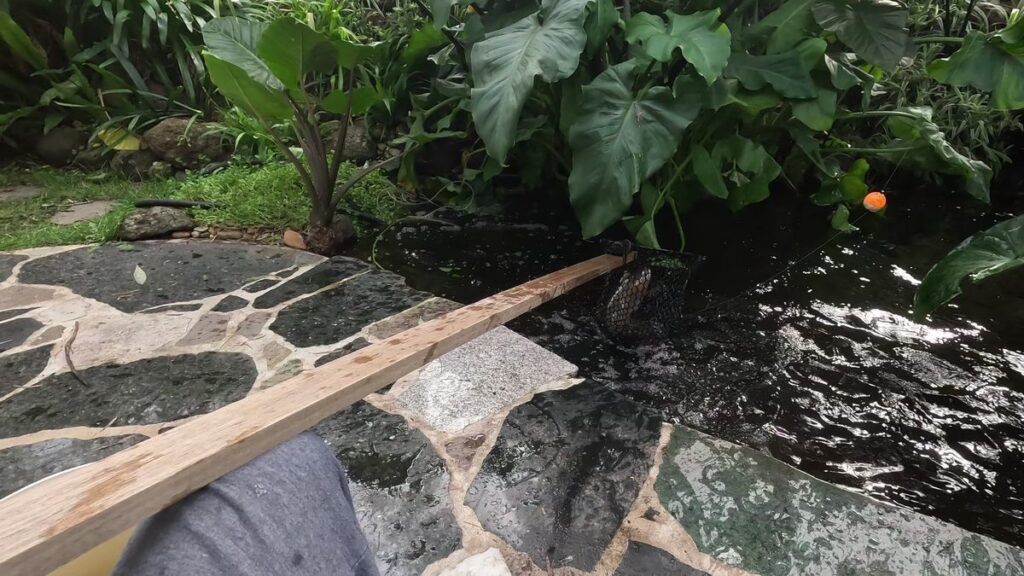
Harvesting and processing your own tilapia from an aquaponics system is one of the most rewarding moments in the whole growing journey — and doing it well means you get the freshest, best-tasting fish possible. This guide walks you through every step from pre-harvest preparation to filleting and storing your fish for the table.
How Do You Prepare Tilapia for Harvest?
Stop Feeding Before Harvest
Cease feeding your tilapia 24–48 hours before harvest. This allows the fish to clear their digestive system, which improves flesh quality and reduces any off-flavours from gut content during processing. Fish held in clean, well-oxygenated water during this period maintain excellent flesh quality.
Identify Harvest-Ready Fish
Tilapia are typically harvested at 400–600g whole weight for the best eating experience. At this size, fillets are large enough to be practical and the fish hasn’t yet developed the coarser texture that can occur in larger, older specimens. Use the weighing techniques covered in your fish monitoring routine to identify harvest-size individuals.
Prepare Your Processing Area
Set up a clean processing area before you begin catching fish. You’ll need: a sharp filleting knife (a flexible 15–20 cm blade is ideal), a clean cutting board, a container of ice water for processed fillets, a bucket for offal, and clean running water or a water source nearby. Work hygienically throughout — tilapia processing is food preparation and should be treated accordingly.
How Do You Humanely Dispatch Tilapia?
The most humane and practical dispatch method for tilapia is percussive stunning followed by gill cut. Using a firm, blunt object (a wooden baton or the back of a heavy knife), deliver a sharp, firm blow to the top of the fish’s head between and just behind the eyes. This renders the fish immediately insensible. Follow immediately with a cut through the gills to allow rapid bleeding. This approach meets animal welfare standards and produces better quality flesh than less careful methods.
How Do You Scale and Gut Tilapia?
Scaling
Tilapia have moderately sized scales that scale off easily. Hold the fish by the tail and scrape a scaling tool or the back of a knife from tail to head against the direction of scale growth. Scale the fish before gutting to keep scales away from the flesh. Rinse thoroughly after scaling.
Gutting
Insert the tip of a sharp knife into the vent (the small opening on the underside near the tail) and make a shallow cut forward to the base of the gills — shallow enough to avoid puncturing the intestines. Open the body cavity and remove all internal organs cleanly. Rinse the cavity thoroughly under cold running water. Check for and remove the kidney (a dark line along the backbone) if present.
How Do You Fillet Tilapia?
Tilapia fillet well and the process is straightforward once practiced:
- Place the gutted fish on its side on the cutting board
- Make a diagonal cut behind the pectoral fin down to the backbone
- Turn the knife horizontally and run it along the backbone from head to tail, keeping the blade as close to the bones as possible
- Lift the fillet free and set aside
- Flip the fish and repeat on the other side
- Remove the ribcage from each fillet with a shallow angled cut
- Optionally remove the skin by placing the fillet skin-down and sliding the knife between flesh and skin from tail to head
A 500g tilapia yields approximately 150–200g of fillet (30–40% of whole body weight).
How Should You Store and Cook Aquaponics Tilapia?
Immediate Storage
Place processed fillets immediately into ice water or onto crushed ice. Freshly processed fish can be refrigerated at 0–4°C and should be consumed within 2–3 days for peak quality. For longer storage, vacuum-pack and freeze fillets at -18°C where they keep well for 3–6 months.
Cooking
Tilapia is a mild, versatile white fish that suits almost any cooking method — pan-frying, baking, steaming, grilling, or in curries and Asian-style dishes. Its mild flavour makes it an excellent canvas for marinades and spices. Flesh is cooked when it flakes easily and has turned from translucent to opaque white.
Frequently Asked Questions
Do I need to purge tilapia before harvest in aquaponics?
A 24–48 hour fast in clean, well-oxygenated water is sufficient purging for aquaponics tilapia. Extended purging periods beyond 48 hours offer little additional benefit and may stress the fish unnecessarily.
Why does my tilapia taste muddy?
Off-flavours in tilapia are usually caused by geosmin or methylisoborneol (MIB) — compounds produced by certain algae and cyanobacteria in the water. A longer purge period (3–5 days) in clean, clear, well-aerated water before harvest usually eliminates these compounds. Good water management and UV sterilisation can prevent off-flavour issues entirely.
What size knife is best for filleting tilapia?
A flexible filleting knife with a 15–18 cm blade is ideal for tilapia. Flexibility allows the blade to follow the contour of the ribcage and backbone, maximising fillet yield. Keep the blade very sharp — dull knives tear flesh and reduce yield.
Can I process tilapia at home without special equipment?
Absolutely. A sharp filleting knife, a clean cutting board, and a water source are all you need for home-scale tilapia processing. Scaled-up operations benefit from scaling machines and vacuum sealers, but home processing requires no specialist equipment.
Is aquaponics tilapia safe to eat raw (sashimi)?
Freshwater fish including tilapia carry a theoretical risk of parasites and are generally not recommended for raw consumption. Cook tilapia thoroughly to an internal temperature of 63°C for safe eating. For sashimi-grade preparations, consult food safety guidelines applicable in your jurisdiction.
Ready to build an aquaponics system that produces fresh tilapia and vegetables for your table? Get the complete setup guide here and start your food-growing journey today.