
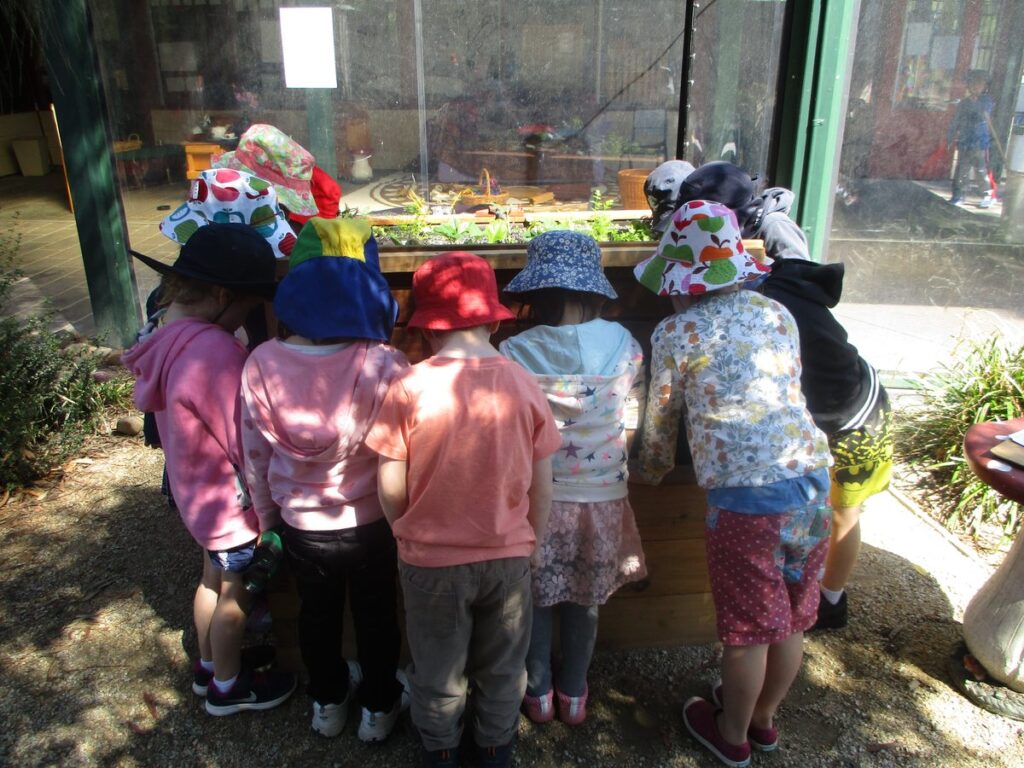
Aquaponics is one of the most powerful hands-on science teaching tools available — it brings biology, chemistry, ecology, and sustainability to life in a way that textbooks simply cannot. Schools, universities, and community education programs across Australia are integrating aquaponics systems into science curricula with remarkable results. Here’s how it works and why it’s so effective.
Why Is Aquaponics Such an Effective Educational Tool?
Aquaponics embodies multiple science disciplines simultaneously. Students can observe the nitrogen cycle in action, measure water chemistry parameters, track plant and fish growth, investigate ecosystem interdependencies, and study sustainability principles — all within a single living system. The fact that the system is alive and changes daily makes it fundamentally more engaging than static demonstrations or simulations.
Research on project-based learning consistently shows that students retain and apply knowledge more effectively when learning is grounded in real-world, hands-on experience. Aquaponics provides exactly that context — with the added motivation that mistakes have real consequences for living organisms, making careful observation and critical thinking genuinely meaningful.
What Science Topics Can Aquaponics Teach?
Biology and Ecology
- Fish anatomy, physiology, and behaviour
- Plant biology — growth, nutrition, photosynthesis
- Microbiology — beneficial bacteria, biofilm, nitrogen cycle
- Ecosystem dynamics and food web relationships
- Biodiversity and species selection
Chemistry and Water Science
- pH measurement and the acid-base scale
- Dissolved oxygen and gas solubility
- Nitrogen chemistry — ammonia, nitrite, nitrate
- Nutrient chemistry and plant mineral nutrition
- Water treatment and purification principles
Sustainability and Systems Thinking
- Closed-loop resource cycling
- Water conservation versus conventional agriculture
- Food security and local food production
- Carbon footprint and environmental impact analysis
- Ethical dimensions of food production
Mathematics and Data Analysis
- Measuring and graphing growth rates
- Calculating feed conversion ratios
- Water volume and flow rate calculations
- Statistical analysis of experimental results
How Are Schools Integrating Aquaponics Into Their Curriculum?
STEM Integration Projects
Many Australian schools use aquaponics as a cross-disciplinary STEM project where students design, build (or contribute to building), monitor, and report on system performance. This approach develops scientific method skills, data literacy, and engineering thinking within a genuinely motivating context.
Regular Data Collection Exercises
Weekly water testing and data recording gives students ongoing practice in measurement, data recording, and trend analysis. Observing how water parameters change in response to feeding, temperature, and plant growth provides rich material for scientific investigation and hypothesis testing.
Experiment Design
Aquaponics systems support controlled experiments: comparing plant growth under different nutrient levels, testing the effect of different fish feeds on growth rates, or investigating how pH affects plant nutrient uptake. Students design the experiments, collect data, and draw evidence-based conclusions.
What System Scale Is Appropriate for Educational Settings?
For most school settings, a 200–500 litre media bed system is ideal — large enough to demonstrate meaningful dynamics and support multiple student groups, compact enough to fit in a classroom or courtyard space. Commercial-scale educational farms (as found at agricultural colleges and universities) can be much larger and support vocational training programs.
How Do You Manage an Aquaponics System in a School Setting?
School holiday management is the primary practical challenge. Assign student and teacher responsibility rosters, install automatic feeders for holiday periods, and establish a simple monitoring checklist. Systems managed with regular student involvement tend to be more stable than those relying on single custodian care.
Tips for Teachers Getting Started With Aquaponics
If you are considering setting up an aquaponics system in your school, the most important step is to start small. A simple desktop system with a single fish tank and a small grow bed is enough to demonstrate every core concept — nitrogen cycling, water chemistry, plant nutrition, and ecosystem balance. You do not need a large or expensive setup to deliver powerful learning outcomes.
Begin by securing support from your school administration and connecting with any existing garden or sustainability programs. Aquaponics fits naturally into these initiatives and can attract additional funding from environmental education grants. Many Australian state education departments have sustainability learning priorities that align perfectly with aquaponics-based curriculum.
Involve students from the very beginning, including the planning and construction phases. When students help build the system, they develop a sense of ownership and engagement that carries through the entire learning journey. Assign rotating responsibilities for feeding, water testing, and plant care so that every student gets hands-on experience with the system over the course of a term.
Finally, document everything. Encourage students to keep observation journals with photos, water test results, and growth measurements. This data becomes the raw material for science reports, maths exercises, and even creative writing projects, multiplying the educational value of a single system across multiple subject areas.
Frequently Asked Questions
What age group is aquaponics most suitable for as an educational tool?
Aquaponics concepts can be introduced at primary school level (basic ecosystem and life cycle concepts) and scaled in complexity through secondary and tertiary education. The hands-on nature makes it engaging across all age groups.
How much does a school aquaponics system cost?
A basic classroom or courtyard aquaponics system can be built for $1,000–$5,000. Many schools supplement this with grants from sustainability programs, parent associations, or state government STEM initiative funding.
Does maintaining an aquaponics system take too much teacher time?
A well-designed system with student involvement and appropriate automation (auto-feeder, float valve) requires approximately 15–30 minutes of monitoring time per week once established. Much of this can be completed by student monitors as part of the educational program.
Can students eat the produce from a school aquaponics system?
Yes — in most Australian states, produce grown and consumed on school premises falls under existing food safety frameworks. Consult with your school’s administration and relevant health authorities to confirm applicable requirements for your situation.
What curriculum documents support aquaponics-based learning in Australia?
Aquaponics projects can be mapped to the Australian Curriculum across Science, Technologies, Mathematics, and Sustainability cross-curriculum priorities. The specific curriculum links depend on year level and subject focus — most teachers find rich connections across multiple learning areas simultaneously.
Interested in building an aquaponics system — for education or for home food production? Get the complete setup guide here and start your aquaponics journey today.