
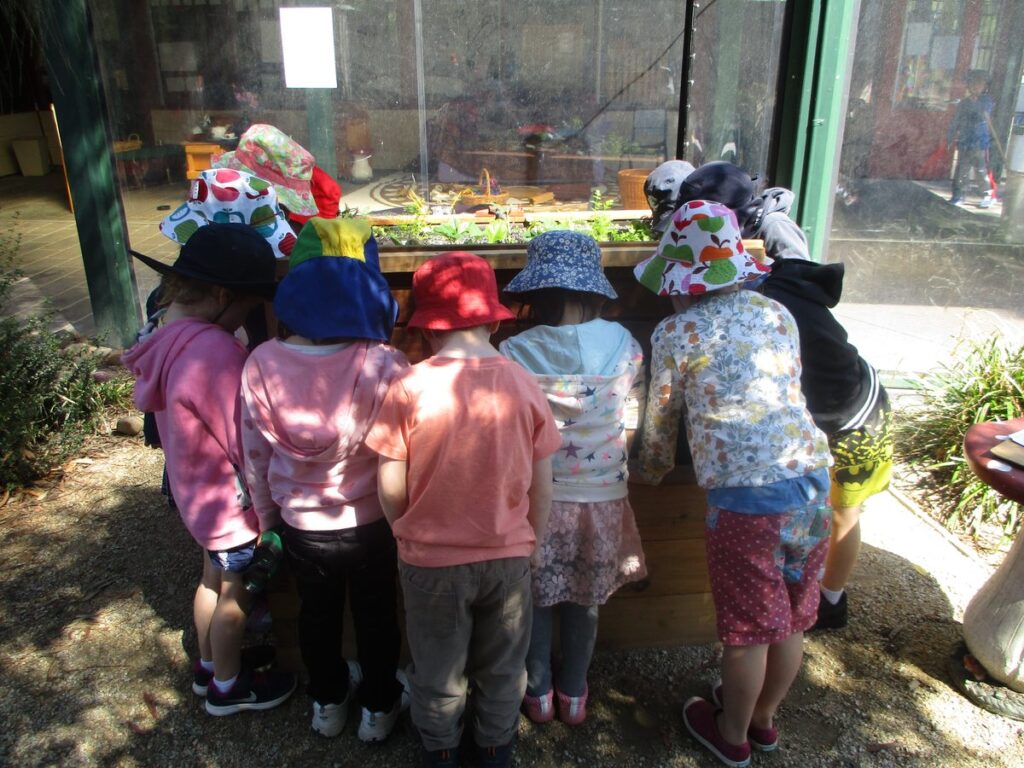
Aquaponics is far more than a food production method — it’s a community of passionate growers, innovators, educators, and advocates who collectively advance the practice faster than any individual could alone. Connecting with that community is one of the most valuable things any aquaponics grower can do, whether you’re just starting out or running a mature system.
Why Does Community Matter So Much in Aquaponics?
Aquaponics sits at the intersection of aquaculture, horticulture, microbiology, and engineering — a genuinely complex discipline where there’s always more to learn. The aquaponics community is unusual in its culture of openness and knowledge sharing. Most experienced growers are enthusiastically willing to share what they’ve learned — including their mistakes — because they remember how much they needed that support when they were starting out.
Community connections also provide practical resources: advice on troubleshooting, access to fish and plant suppliers, feedback on system designs, and collaboration opportunities that simply aren’t available to isolated individual growers.
Where Can Australian Aquaponics Growers Connect?
Online Communities and Forums
Australian aquaponics Facebook groups are the most active online communities for local growers — search for “Australian Aquaponics” and related terms to find active groups with thousands of members. These communities are invaluable for rapid troubleshooting advice, supplier recommendations, and sharing system photos and updates. International platforms like Reddit’s r/aquaponics and Backyard Aquaponics forums also have significant Australian participation.
Aquaponics Associations
The Aquaponics Association of Australia (AAA) represents commercial and hobby growers nationally, providing networking opportunities, industry advocacy, and resources for members. Joining industry associations connects you with serious growers and commercial operations at the cutting edge of Australian aquaponics.
Local Permaculture and Urban Agriculture Groups
Many aquaponics growers find their closest community through local permaculture groups, community gardens, and urban agriculture networks. These groups often include aquaponics enthusiasts and provide opportunities for hands-on farm visits, seed and plant swaps, and collaborative projects that integrate aquaponics with broader sustainable food growing practices.
Agricultural Shows and Field Days
State agricultural shows and sustainability field days increasingly feature aquaponics demonstrations and exhibitors. These events offer the opportunity to see different systems in person, meet suppliers, and connect with growers from your region who may be geographically close enough for practical collaboration.
How Do You Share Knowledge Effectively in the Aquaponics Community?
Document Your System and Journey
Keeping a detailed system journal — even just regular photos with dated notes on what you’re observing — creates a valuable record that benefits both your own learning and others who encounter similar situations. Many growers share their journals online, contributing to the collective body of practical aquaponics knowledge.
Be Honest About Failures
The aquaponics community values honest reporting of failures as much as successes. A post describing what went wrong — why fish died, why plants failed, why a design didn’t work as expected — is often more valuable to other growers than another success story. The willingness to share failures without embarrassment is a sign of a genuinely mature and helpful community member.
Host System Visits
Opening your system to visits from other interested growers is one of the most direct and impactful ways to share knowledge. Seeing a working aquaponics system in person — particularly one adapted to local conditions — is worth far more than any number of online tutorials. Many growers build meaningful local networks through informal system visits.
How Can Community Connections Benefit Your System Practically?
Community connections provide access to: local fish fingerling suppliers and breeders, plant swap networks (aquaponics growers accumulate excess seedlings and divisions), equipment co-buying opportunities to reduce costs, local knowledge about climate adaptation, and crop varieties that perform well in your specific region. In emergencies — a pump failure, a disease outbreak — a local aquaponics network can mean the difference between a manageable crisis and a catastrophic system loss.
Frequently Asked Questions
Are there aquaponics clubs or groups in my city in Australia?
Most major Australian cities have aquaponics interest groups, often connected to broader permaculture or urban farming networks. Search Facebook groups, Meetup.com, and community garden networks in your area. The Backyard Aquaponics forum has a state-based local groups section.
How do I find local aquaponics fish suppliers through community networks?
Facebook aquaponics groups are the most practical route to local supplier recommendations. State-specific groups will have members who’ve already done the legwork of finding reliable fingerling suppliers, and most are happy to share their experience.
Can I start my own local aquaponics group?
Absolutely — many of Australia’s most active local groups were started by a single motivated grower who put out a call on Facebook or through a local community garden. Even a small group of 5–10 local growers sharing a group chat provides enormous practical value.
What do aquaponics workshops typically cover?
Most introductory aquaponics workshops cover system types and design, the nitrogen cycle, fish and plant selection, water chemistry basics, and hands-on system observation. Advanced workshops go into commercial scale, system optimisation, and specific production challenges.
Is there a benefit to mentoring newer aquaponics growers?
Experienced growers consistently report that teaching and mentoring others deepens their own understanding, exposes them to fresh perspectives and new questions, and builds meaningful relationships that enrich the growing experience beyond just food production.
Ready to start your own aquaponics journey and join a community of passionate growers? Get the complete setup guide here and take your first step toward growing food and building community.
Jonathan, thanks for the video. i have an air pump on a timer, 15mins every 2hr 24/7
this also helps my PH.
Let me know if i need increase the O2 pls.
Hello Paul,
If your fish density is reasonable and they are comfortable then it’s fine but if you have the airpump it’s always better to live it on 24/7.
Cheers
Jonathan