
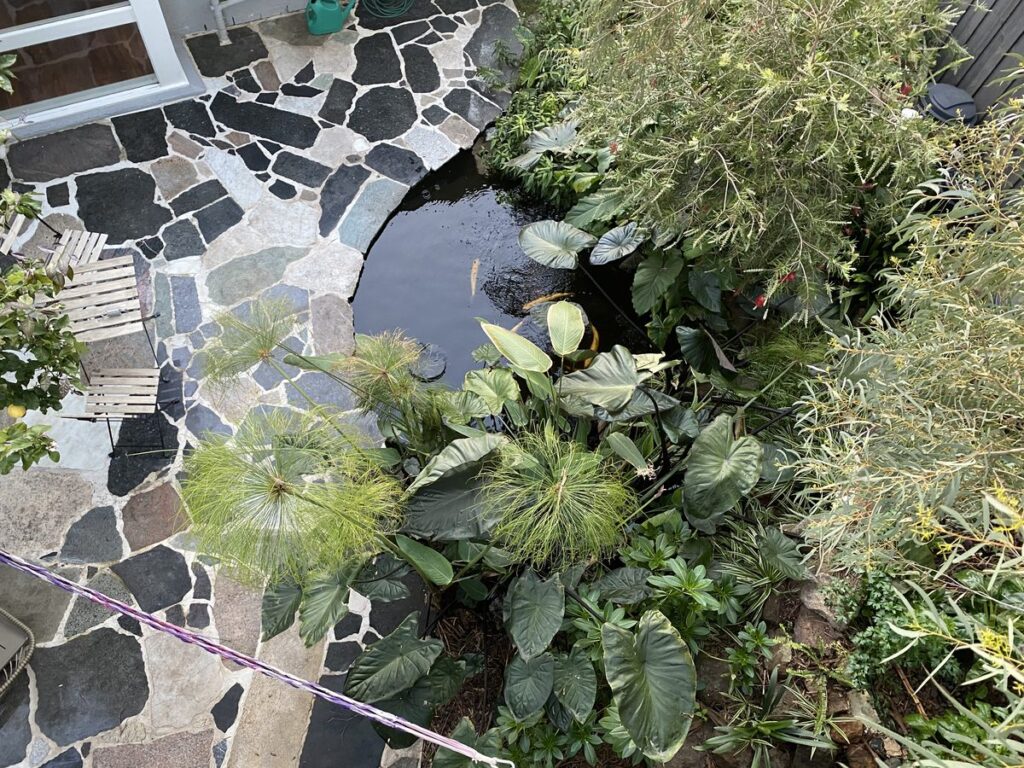
Your aquaponics system is doing something remarkable — producing fresh food sustainably, demonstrating ecological principles in action, and showing that there’s a better way to grow. Sharing that story through content creation and social media doesn’t just grow your audience; it connects you with a passionate global community, builds credibility, and can open genuine opportunities for income, collaboration, and impact.
Why Should Aquaponics Growers Share Their Story?
The aquaponics movement grows primarily through inspiration and demonstration. Most growers got started because they saw someone else’s system and thought “I could do that.” Every video, photo, and blog post you share is a potential spark for someone else’s aquaponics journey. Beyond community contribution, building a documented public presence around your system creates tangible opportunities: workshop clients, media features, brand partnerships, speaking invitations, and a portfolio of expertise that commercial buyers and collaborators take seriously.
What Content Works Best for Aquaponics?
System Tour Videos
A well-filmed walkthrough of your aquaponics system — explaining each component, why you made certain design choices, and what’s currently growing — is consistently the highest-performing aquaponics content on YouTube and social media. Viewers want to see real, working systems. Even a simple smartphone video of your system narrated authentically outperforms polished promotional content.
Before and After Documentation
Documenting your system build from concept through construction to first harvest creates compelling long-form content that shows the full journey. Time-lapse videos of plant growth, before/after comparisons of system improvements, and fish growth tracking over months all resonate strongly with audiences who are considering their own aquaponics projects.
Troubleshooting and Problem-Solving Content
Honestly sharing your challenges — the pest outbreak, the ammonia spike, the failed bell siphon — and how you resolved them is some of the most valuable content in the aquaponics ecosystem. Problems are universal; authentic solutions build deep trust and audience loyalty. Don’t only share the wins.
Harvest Content
The harvest moment — pulling vegetables from grow beds, netting fish, presenting a meal grown entirely from your own system — is emotionally resonant and shareable. Document harvests consistently and show the connection between your aquaponics system and the food on your table.
Which Platforms Work Best for Aquaponics Content?
YouTube
YouTube is the primary platform for in-depth aquaponics content. Long-form system tours, build guides, and troubleshooting videos have long shelf lives and rank in search results for years. Build a YouTube channel as the archive of your aquaponics knowledge and experience.
Instagram and Facebook
Instagram suits visually compelling harvest photos, plant growth progress, and short system clips. Facebook aquaponics groups are the most active community discussion platforms for Australian growers — active participation builds your profile and connects you with local growers. Facebook Pages and Instagram accounts work together for a comprehensive social presence.
A Personal Blog or Website
A simple website or blog provides a home base for your aquaponics story that you own and control, unlike social platforms. Written case studies, system design documentation, and how-to guides on your own site also contribute to search engine visibility and establish lasting online credibility.
How Do You Attract Media Coverage for Your Aquaponics System?
Local newspapers, regional ABC radio programs, and sustainability-focused online publications are all receptive to aquaponics stories, particularly when they connect to broader themes — food security, urban farming, sustainable living, community education. Draft a short press release about what’s unique and newsworthy about your system or project, and pitch it directly to relevant journalists and producers. Local stories often get picked up by larger platforms when they’re compelling and well-presented.
Measuring the Impact of Your Content
Once you start sharing your aquaponics journey online, it helps to understand what is working. Simple metrics like views, comments, and shares can tell you which topics resonate most with your audience. You do not need expensive analytics tools — most social media platforms provide basic insights for free.
Pay attention to which posts spark conversations. A photo of your first harvest might get more engagement than a technical explanation of your plumbing, and that tells you something about what your audience values. Let that guide what you create next.
Over time, consistent sharing builds credibility and connections. Other growers will reach out, local media may take interest, and you may even find opportunities to teach or collaborate. The goal is not to become a content creator — it is to share something meaningful that inspires others to try aquaponics for themselves.
Frequently Asked Questions
Do I need professional video equipment to create good aquaponics content?
No — modern smartphones produce excellent video quality. Good natural lighting (film outdoors or near windows), stable footage (a simple tripod or phone mount), and clear audio (a lapel microphone clip is a worthwhile $20 investment) are all you need to create compelling aquaponics content.
How do I grow an audience for my aquaponics content?
Consistency matters more than production quality. Post regularly, engage with comments, participate in aquaponics communities, and use relevant hashtags (#aquaponics, #urbanfarming, #sustainableliving, #aquaponicsaustralia). Collaboration with other aquaponics content creators accelerates audience growth.
Can I monetise my aquaponics content?
Yes — through YouTube monetisation (once eligibility thresholds are reached), affiliate partnerships with aquaponics equipment suppliers, sponsored content from relevant brands, selling workshops or courses directly to your audience, and consultation services. Building a genuine engaged audience is the prerequisite for any meaningful monetisation.
Is it worth documenting my aquaponics system even if I’m just a hobbyist?
Absolutely — the hobbyist perspective is genuinely valuable in the aquaponics content landscape, which is dominated by either beginner how-to content or commercial-scale operations. An honest, thoughtful documentation of a well-managed backyard system appeals to the vast majority of aquaponics enthusiasts who are growing at exactly that scale.
How do I handle negative comments or criticism about my aquaponics content online?
Respond to genuine questions and constructive criticism openly and thoughtfully — this demonstrates expertise and integrity. Ignore purely hostile or trolling comments. The aquaponics community is overwhelmingly supportive and collaborative; negative interactions are rare.
Ready to build an aquaponics system worth sharing? Get the complete setup guide here and start your own aquaponics story today.