
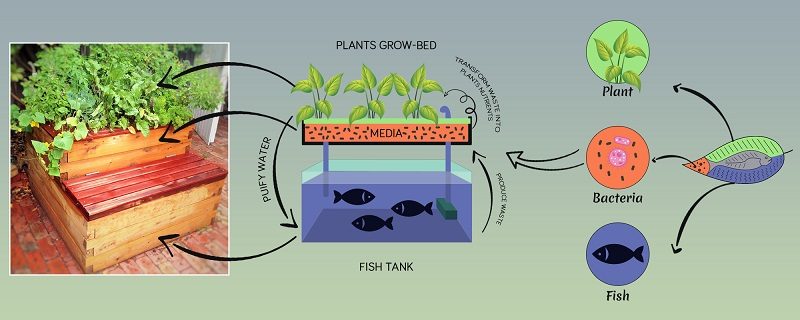
Automating your aquaponics system is one of the smartest investments you can make — it saves time, reduces human error, and keeps your fish and plants thriving 24/7 without constant supervision.
Why Automation Matters in Aquaponics
Aquaponics is a living system. Fish need consistent water quality, plants need reliable nutrients, and the beneficial bacteria that tie it all together need stable conditions. Manual management is prone to inconsistency — missed feedings, delayed water tests, and irregular top-ups can all lead to system crashes or poor yields.
Automation removes the guesswork. When sensors, timers, and controllers handle routine tasks, you free yourself to focus on system optimisation and expansion rather than daily maintenance chores.
What Can Be Automated in Your Aquaponics System?
Fish Feeding
Automatic fish feeders dispense precise amounts of feed at scheduled intervals. This ensures fish receive consistent nutrition without overfeeding — one of the most common causes of ammonia spikes. Many feeders allow programmable portion sizes and feeding frequency adjustments as fish grow.
Water Monitoring and Alerts
Digital water quality monitors can track pH, dissolved oxygen, temperature, ammonia, and nitrite levels in real time. Paired with smartphone alerts, these systems notify you immediately if any parameter falls outside the safe range — even when you’re away from the system.
Key parameters to automate monitoring:
- pH — Maintain between 6.8–7.2 for optimal fish and plant health
- Dissolved oxygen — Should remain above 5 mg/L for fish
- Water temperature — Species-dependent; most systems run 18–26°C
- Ammonia/nitrite — Should remain at zero in a cycled system
Flood and Drain Timing
For media bed systems, flood and drain cycles can be fully automated with simple timer-controlled pumps. Setting precise flood durations and rest periods optimises oxygen delivery to plant roots and bacterial colonies without any manual intervention.
Water Top-Ups and Level Control
Evaporation and plant transpiration gradually lower water levels. Float valves or solenoid-controlled auto-top-up systems maintain consistent water volume, preventing pumps from running dry and stressing fish.
Lighting Control
Indoor and greenhouse aquaponics systems benefit from timer-controlled LED grow lights. Consistent photoperiods improve plant growth rates and can be adjusted seasonally without manual changes.
Temperature Control
Aquarium heaters with built-in thermostats handle water temperature regulation automatically. For larger systems, heat exchangers, heat pumps, or greenhouse heating systems can be thermostatically controlled to maintain target ranges year-round.
Getting Started With Aquaponics Automation
You don’t need to automate everything at once. A practical approach is to prioritise the tasks that take the most time or carry the highest risk when missed:
- Start with a quality auto-feeder — Consistent feeding is critical and easy to automate affordably
- Install a basic water temperature alarm — Temperature extremes can kill fish quickly
- Add a water level float valve — Prevents pump damage and fish stress from low water
- Set up a pH and DO monitor — Real-time data with alerts gives you peace of mind
- Automate flood/drain cycles — Once your system is cycled and stable
Budget-Friendly Automation Options
Full automation doesn’t have to be expensive. Many growers start with basic digital timers, affordable aquarium heaters, and simple float valves — all available at hardware stores or aquarium suppliers. As your system grows, you can invest in more sophisticated controllers, data loggers, and integrated monitoring platforms.
For tech-savvy growers, platforms like Arduino and Raspberry Pi allow for highly customised automation setups at relatively low cost, including remote monitoring via smartphone apps.
Common Automation Mistakes to Avoid
While automation can dramatically improve your aquaponics management, there are several pitfalls that catch growers off guard. The most common mistake is over-automating too early. Before you automate a process, make sure you understand it manually first. If you do not know what healthy dissolved oxygen levels look like through regular testing, an automated sensor reading will not mean much to you.
Another frequent error is relying on automation without backup systems. Electronic components can fail, power outages happen, and sensors drift over time. Always have a manual override available for critical functions like aeration and water flow. A battery-powered air pump as a backup for your main aerator could save your entire fish stock during a power cut.
Sensor calibration is also commonly neglected. pH probes and dissolved oxygen sensors require regular calibration — typically every two to four weeks — to remain accurate. An uncalibrated sensor giving false readings is worse than no sensor at all, because it creates a false sense of security while your water quality quietly deteriorates.
Finally, resist the temptation to eliminate all manual observation. The best aquaponics growers combine automation with daily visual checks. No sensor can tell you that a fish is behaving oddly, that a plant leaf has an unusual discolouration, or that something simply looks different from yesterday. Automation handles the routine so you can focus on the details that matter most.
Frequently Asked Questions
Can I automate a small backyard aquaponics system?
Absolutely. Even small systems benefit from auto-feeders, timers, and basic water alerts. The investment is minimal and the peace of mind is significant — especially when you travel or have a busy schedule.
What’s the most important thing to automate first?
Fish feeding is typically the highest priority. Missed or inconsistent feedings directly impact fish health and water quality. An auto-feeder is affordable, reliable, and immediately improves system consistency.
How do automated water quality monitors work?
Digital probes measure parameters like pH, dissolved oxygen, and temperature continuously. Data is logged and can trigger alarms or alerts via SMS or app notifications when readings fall outside preset thresholds.
Will automation replace the need to observe my system?
No — regular visual inspection remains essential. Automation handles routine tasks and alerts you to problems, but hands-on observation helps you spot issues like fish behaviour changes, plant stress, or equipment wear that sensors may not detect.
Is aquaponics automation suitable for commercial operations?
Yes, and for commercial systems it’s essentially non-negotiable. At scale, the labour savings, improved consistency, and data-driven management that automation provides are critical to profitability and food safety compliance.
Ready to build your own aquaponics system with smart, efficient design from day one? Get the complete guide here and discover how to set up a thriving system in just 2 hours.