
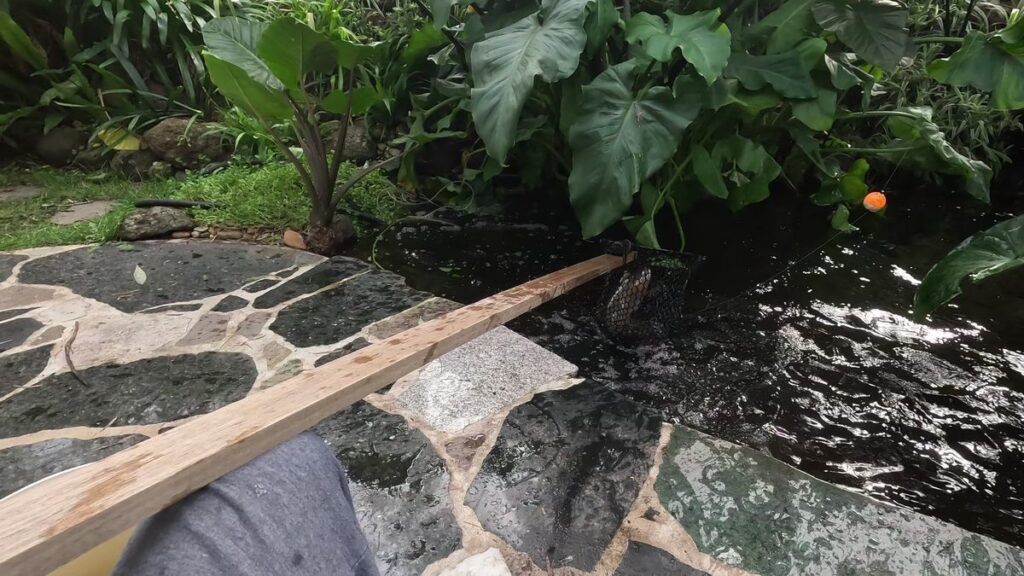
Getting stocking density right is one of the most important decisions in aquaponics — too many fish causes dangerous water quality problems, while too few means your plants won’t receive enough nutrients to thrive.
What Is Stocking Density and Why Does It Matter?
Stocking density refers to the number or weight of fish kept per unit of water volume in your aquaponics system. It’s typically expressed as kilograms of fish per litre of water (kg/L) or kilograms per cubic metre (kg/m³).
Stocking density is one of the most critical variables in aquaponics because it directly determines:
- The amount of ammonia produced (and therefore nutrient availability for plants)
- The dissolved oxygen demand in the fish tank
- The rate of waste accumulation in the system
- Fish stress levels and susceptibility to disease
- The overall biological load your bacterial colonies and plant beds must process
Recommended Stocking Densities for Aquaponics
Stocking density recommendations vary based on system design, aeration, filtration, and the operator’s experience level:
- Beginner systems — 1 kg of fish per 40–80 litres of water; conservative density allows wide safety margins
- Intermediate systems — 1 kg per 20–40 litres; requires consistent water quality monitoring and good aeration
- Advanced/commercial systems — 1 kg per 10–20 litres or higher; demands robust aeration, excellent filtration, and expert management
For beginners, erring on the lower end of these ranges is strongly recommended. The consequences of overcrowding — ammonia spikes, oxygen depletion, disease outbreaks — can be severe and difficult to recover from quickly.
Factors That Determine Your Maximum Stocking Density
Dissolved Oxygen (DO) Capacity
Fish consume oxygen constantly. At high stocking densities, oxygen depletion becomes the primary limiting factor. Robust aeration — multiple air stones, surface agitation, or pure oxygen injection in commercial systems — expands the stocking density ceiling significantly. Dissolved oxygen should remain above 5–6 mg/L at all times.
Biofiltration Capacity
The beneficial bacteria that convert ammonia to nitrate must be able to process the waste produced by your fish. In media bed systems, the grow bed itself provides this capacity. In other system designs, dedicated biofilter sizing must match your stocking density.
Plant Nutrient Demand
The flip side of stocking density — your plants need sufficient fish to provide enough nutrients. A system understocked with fish may produce plants with nutrient deficiencies. Balancing fish biomass against plant growing area is as important as avoiding overcrowding.
Water Exchange Rate
How quickly your pump circulates water through the system affects how rapidly waste is processed and how effectively oxygen is replenished. Higher turnover rates support higher stocking densities.
Fish Species
Some species tolerate crowded conditions better than others. Tilapia (where legal) and catfish are notably tolerant of higher densities. Trout and other sensitive cold-water species require lower densities and very high dissolved oxygen levels.
How to Calculate the Right Stocking Density for Your System
- Determine your fish tank volume (in litres)
- Choose your target ratio — e.g., 1 kg per 50L for a beginner system
- Calculate maximum fish weight — Fish tank volume ÷ litres per kg = maximum kg of fish
- Account for fish growth — Fingerlings weigh very little now but will grow; plan for their adult weight, not their current size
- Stock in stages — Begin with 50% of your target density and increase gradually as your system matures
Example: A 1,000-litre fish tank at a conservative ratio of 1 kg per 50L supports a maximum of 20 kg of fish. If stocking barramundi fingerlings at 50g each, that’s a maximum of 400 fingerlings — but they’ll grow to 500g–1kg each, so stocking 20–40 fingerlings to grow out is a more realistic target for that tank size.
Signs You’ve Exceeded Your System’s Stocking Capacity
- Elevated ammonia or nitrite levels that don’t respond to normal management
- Fish gasping at the surface (oxygen depletion)
- Increased fish aggression or stress behaviours
- Disease outbreaks or poor fish condition despite good water quality management
- Plants showing nutrient excess (leaf burn, tip browning) despite normal nitrate levels
Frequently Asked Questions
Can I increase stocking density over time as my system matures?
Yes. As your bacterial colony establishes and grows, and as you gain confidence managing water quality, you can gradually increase stocking density. Always make incremental increases — never double your fish numbers at once — and monitor water quality closely for several weeks after each increase.
What happens if I overstock my aquaponics system?
Overstocking leads to ammonia and nitrite spikes that are toxic to fish, oxygen depletion that causes fish to suffocate, increased disease risk from immune system stress, and potential system crash. Recovery is possible but requires immediate action — water changes, reduced feeding, and sometimes removing fish.
Does stocking density affect plant growth?
Yes, in both directions. Too many fish can overwhelm the system with excess nutrients and cause water quality problems that stress plants. Too few fish means insufficient nutrient supply, leading to plant deficiencies. The ideal is a balance where fish waste matches plant nutrient demand.
Is there a minimum number of fish needed to grow plants in aquaponics?
There’s no hard minimum, but a general guideline is approximately 500g–1kg of fish per square metre of grow bed area to provide adequate nutrient levels for healthy plant growth. Below this, supplemental organic nutrients (seaweed extract, worm castings tea) may be needed to support plant health.
How does stocking density differ between media bed and DWC systems?
Media bed systems have more biological filtration capacity built in (the media itself houses bacteria), which can support slightly higher stocking densities compared to DWC systems of the same tank volume. DWC systems require more robust separate biofiltration to handle equivalent fish loads.
Want to build a perfectly balanced aquaponics system from the start? Get the complete build guide here and learn exactly how to set up your system for success in just 2 hours.