
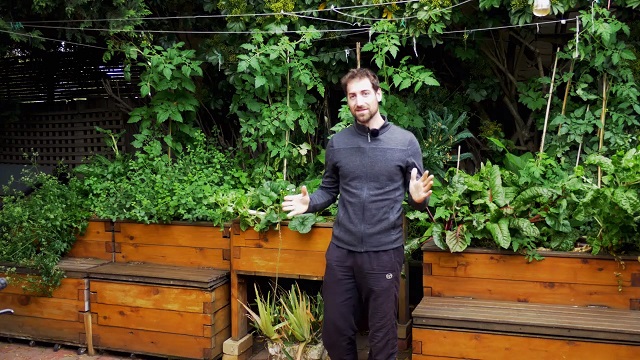
Aquaponics doesn’t just grow food — it builds genuine food security, giving you reliable, local production that no supply chain disruption, price spike, or supermarket shortage can take away.
The COVID-19 pandemic revealed how fragile our food supply chains really are. Empty shelves, panic buying, and produce shortages showed that most urban households are entirely dependent on systems outside their control. Aquaponics offers a practical, proven alternative — and it starts in your own backyard.
Why Is Our Food Supply So Vulnerable?
Modern food systems are optimised for efficiency, not resilience. That means they work brilliantly in normal times — and fail dramatically under stress.
- Long supply chains: Most food travels 1,500–4,000 km from farm to plate. A single disruption — drought, flood, fuel crisis, or pandemic — breaks the chain.
- Concentration of production: A small number of large farms produce most of a nation’s food. Crop failure at one source impacts millions.
- Just-in-time logistics: Supermarkets carry 3–5 days of stock. When supply is interrupted, shelves empty within days.
- Water dependency: Conventional agriculture uses 70% of global fresh water. Drought threatens food production directly.
- Input dependency: Most conventional farming relies on synthetic fertilisers derived from fossil fuels. Fertiliser price spikes translate directly to food price inflation.
How Does Aquaponics Build Food Security?
Local, Year-Round Production
An aquaponics system in your backyard produces food regardless of what’s happening in global supply chains. Weather events, shipping disruptions, or supermarket strikes have zero effect on your fish tank and grow beds. With the right design, aquaponics produces continuously across all four seasons.
Minimal Water Use
Aquaponics uses up to 90% less water than conventional agriculture. Water is recirculated continuously between fish tank and grow beds. In water-scarce regions — increasingly common across Australia — this is a critical advantage.
No Chemical Inputs Required
Fish waste provides the fertiliser. Beneficial bacteria provide the conversion. The system is inherently self-sustaining once established. You’re not dependent on fertiliser supply chains, chemical manufacturers, or price-volatile agricultural inputs.
Protein and Vegetables from One System
Uniquely, aquaponics produces both animal protein (fish) and plant-based food simultaneously. An aquaponics system providing 50–100 kg of fish per year plus a diverse range of vegetables meaningfully reduces a household’s dependence on external protein sources.
Real-World Food Security with Aquaponics
Urban Households
A family with a 3,000-litre aquaponics system can produce 20–40 kg of fish per year and a continuous supply of leafy greens, herbs, and seasonal vegetables — representing $2,000–$5,000 in food production annually from a system fitting in a suburban backyard.
Community Gardens and Food Hubs
Community aquaponics systems are being established across Australia as food security infrastructure — particularly in low-income areas where fresh food access is limited. A well-managed 10,000-litre community system can supply fresh vegetables to 15–25 families continuously.
High-Priority Food Security Crops for Aquaponics
Focus on nutrient-dense foods that are expensive to buy but easy to grow:
- Leafy greens: Lettuce, kale, silverbeet, spinach — high nutritional value, fast-growing, year-round
- Herbs: Basil, parsley, coriander, chives — high supermarket cost, prolific in aquaponics
- Asian greens: Pak choi, bok choy, tatsoi — fast turnover, nutrient-dense
- Fish: Silver perch, barramundi, trout — high-quality protein produced at home
How to Start Building Food Security with Aquaponics
- Start small: A 500–1,000 litre system can be built for $500–$1,500 and produces meaningful quantities of leafy greens and herbs within weeks.
- Choose hardy species: Silver perch, tilapia, or goldfish are the most resilient starting points in Australian conditions.
- Learn the system: Invest time in understanding water quality management before scaling up.
- Build community: Connect with other local growers — knowledge sharing and surplus trading build community resilience beyond individual systems.
- Scale progressively: Once your first system runs reliably, add grow beds, increase fish stocking, and diversify crops.
Frequently Asked Questions
How much food can a backyard aquaponics system realistically produce?
A well-managed 3,000-litre system can produce 20–40 kg of fish per year and continuous leafy greens sufficient to meaningfully supplement a family of four. Larger systems (10,000+ litres) can cover the majority of a household’s vegetable and protein needs.
Is aquaponics affected by drought?
Far less than conventional agriculture. Aquaponics uses 90% less water, and once the system is full, only minimal top-up is needed. Roof water collection or treated greywater can supply system needs during severe drought.
How long before an aquaponics system becomes productive?
Plant production begins immediately with transplanted seedlings. Fish reach harvest size in 9–18 months depending on species. The system is meaningfully productive within 3–6 months of establishment.
Can aquaponics work during power outages?
Short outages (a few hours) are generally safe. A battery-powered air pump keeps fish alive during longer outages. Solar-powered systems provide complete energy independence — increasingly popular for food security-focused growers.
How does aquaponics compare to stockpiling food for emergency preparedness?
Stockpiling addresses short-term emergencies (weeks). Aquaponics addresses ongoing food resilience — it produces continuously, requires no rotation management, and improves over time. The two approaches complement each other well.
Ready to build your own food-secure aquaponics system? Our complete aquaponics training shows you how to design, build, and run a productive system from day one — start growing your food security today.